
OBGYN Care
Comprehensive and Compassionate OBGYN Services
Central Valley Doctors Health System Physician Group provides compassionate obstetric and gynecologic care for women at every stage of life. From routine wellness visits and prenatal care to advanced treatment for gynecologic conditions and cancers, our dedicated team supports women through every phase of their healthcare journey. With comprehensive labor and delivery services, specialized care for high‑risk pregnancies, and a full continuum of care from diagnosis to treatment, you can rely on Emanuel for complete women’s health services close to home.

OBGYN Services at Central Valley Doctors Health System
- Labor and delivery services, including care for high‑risk pregnancies
- Maternal-Fetal Medicine supported by specially trained obstetricians
- Neonatal Intensive Care Unit (NICU) for newborns needing advanced care in Modesto and at the Mary Stuart Rogers Birthing Center in Turlock
- Comprehensive gynecologic care for women at every age and stage of life
- Some of the latest advancements in breast cancer detection at the Ruby E. Bergman Women's Diagnostic Center
- Minimally invasive gynecology surgery options, including hysterectomy and uterine fibroid removal
- A dedicated team of obstetricians, gynecologists, nurses and women’s health providers offering coordinated, compassionate care
-

Gynecology
We specialize in high-quality women's medical care through the reproductive years and beyond. For more serious health issues, our caregivers will work closely with you to develop a personalized treatment plan. -
Pregnancy
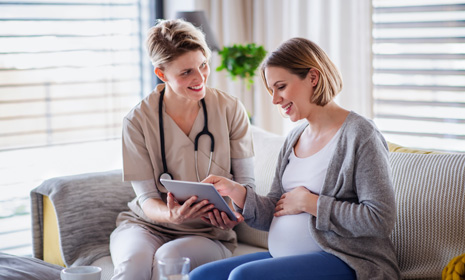
We offer a comprehensive labor and delivery program, plus specially trained obstetricians who provide advanced care for high-risk pregnancies.
Obstetrics and gynecology, often shortened to OBGYN, is a medical specialty focused on caring for women throughout every stage of life, from adolescence through older adulthood. This area of care includes pregnancy and childbirth, conditions affecting the female reproductive system, cancer treatment and surgical care using minimally invasive approaches. OBGYNs also address long‑term health needs such as menopause support, hormone therapy, birth control options and infertility evaluation and treatment.
Obstetricians are physicians who specialize in pregnancy care. They provide support before, during and after pregnancy, including prenatal visits, labor and delivery and postpartum care. When needed, obstetricians perform procedures such as cesarean deliveries to promote safe outcomes for mothers and babies.
Gynecologists focus on women’s reproductive health at all ages. Their care includes preventive screenings, coordinating mammograms, fertility services and surgical treatments like hysterectomy or removal of ovarian cysts.
OBGYN care includes four main subspecialties:
- Gynecologic oncology – Care for cancers of the uterus, cervix, ovaries and vulva
- Reproductive endocrinology and infertility – Advanced fertility care, including IVF, embryo transfer and related treatments
- Maternal‑fetal medicine – Specialized care for high‑risk pregnancies and conditions such as diabetes, high blood pressure, kidney disease and preterm labor
- Female pelvic medicine and reconstructive surgery (urogynecology) – Treatment for pelvic floor disorders, including pelvic organ prolapse and urinary incontinence
A well‑woman exam, also known as an annual well‑woman visit, is a preventive appointment designed to support your overall health. This visit focuses on healthy lifestyle guidance, risk prevention and recommended screenings tailored to women’s unique healthcare needs. Unlike a general physical, a well‑woman exam takes a proactive approach to maintaining long‑term women’s health.
During the visit, your provider reviews your medical history, gynecologic history and family health background. This information helps determine whether breast or pelvic exams are needed and encourages shared decisions about your care. You’ll also discuss reproductive health and future plans to ensure recommendations reflect your personal goals. Well‑woman exams are important throughout life, including during perimenopause and postmenopause.
A well‑woman exam includes preventive services based on your age, medical history and individual needs. Your visit may include:
- Health history discussion to review past conditions, symptoms and current concerns
- Physical exam, including measurements such as height, weight and blood pressure and possibly a breast exam
- Pelvic exam, which may include a Pap smear or HPV test based on age and screening guidelines
- Screening tests, such as STI testing, blood work for cholesterol or blood sugar and cancer screenings like mammograms or bone density exams
- Personalized counseling on healthy habits, contraception, family planning and related topics
- Immunizations, updated as appropriate for age, medical history and risk factors
Regular well‑woman exams support disease prevention, early detection and management of ongoing health concerns.
A well‑woman exam includes preventive screenings and evaluations based on your age, health history and individual needs. Your visit may include:
- Health history review to discuss overall health, past conditions, symptoms and concerns
- Basic physical exam, such as checking height, weight and blood pressure and possibly a breast exam
- Pelvic exam, which may include a Pap smear or HPV test, depending on age and guidelines
- Screening tests, such as STI screenings, blood tests or cancer screenings like mammograms or bone density tests
- Counseling on healthy lifestyle habits, contraception, family planning and other health topics
- Immunizations, updated as needed based on age, history and risk factors
Regular well‑woman exams play an important role in maintaining health, preventing disease and managing ongoing conditions throughout a woman’s life.
Every pregnancy is different. You should schedule at least one visit with an OBGYN within the first 12 weeks of pregnancy or as soon as you learn you are pregnant. Women with high‑risk pregnancies may need more frequent visits and additional testing.
Prenatal care is vital for a healthy pregnancy. Contact your OBGYN right away if you experience:
- Vaginal bleeding
- Sudden or severe swelling of the face or fingers
- Persistent or severe headaches
- Ongoing nausea or vomiting
- Dizziness or vision changes
- Severe abdominal pain or cramping
- Fever or chills
- Changes in your baby’s movement
- Pain or burning with urination or reduced urine output
- Illness, infection or significant emotional or physical trauma
- Ruptured membranes (water breaking)
- Decreased or absent fetal movement later in pregnancy
- Any symptoms that cause concern
You may also need OBGYN care if:
- You take medications for chronic conditions such as diabetes, thyroid disease, seizures, depression or high blood pressure
- You are not receiving prenatal care
- Pregnancy symptoms cannot be managed without medication
- You may have been exposed to an STI, chemicals, radiation or environmental pollutants
Girls and women are encouraged to begin seeing a gynecologist for annual visits starting at age 13. These preventive appointments help identify concerns early and support long‑term reproductive health.
You should also schedule a visit if you experience symptoms such as pelvic pain, missed periods or abnormal bleeding. Early evaluation can prevent more serious issues.
From routine screenings to advanced treatments such as laparoscopy or hysterectomy, gynecologists provide comprehensive care that supports women’s health at every stage of life.
Request an Appointment
By submitting this form you agree to receive periodic health related information and updates. We welcome your comments, questions and suggestions. We cannot give you medical advice via e-mail. To discuss any medical symptoms or conditions contact your physician or other healthcare professional. In the case of a medical emergency, call 911 or go to the nearest emergency room immediately.